
Planning for Life After High School
The years leading up to graduation are filled with important decisions.
For some students, the next step may be a four-year college. For others, it may be a community college, trade school, certificate program, employment, apprenticeship, supported employment, or a combination of experiences.
The challenge is not simply choosing a path—it’s determining which path is the best fit and making sure the necessary skills, supports, and planning are in place to support long-term success.
I help students and families explore postsecondary and career options, evaluate readiness, and develop realistic plans that align with the student’s strengths, interests, support needs, and future goals.
Together, we focus not only on where a student wants to go, but how to get there successfully.
For some students, the next step may be a four-year college. For others, it may be a community college, trade school, certificate program, employment, apprenticeship, supported employment, or a combination of experiences.
The challenge is not simply choosing a path—it’s determining which path is the best fit and making sure the necessary skills, supports, and planning are in place to support long-term success.
I help students and families explore postsecondary and career options, evaluate readiness, and develop realistic plans that align with the student’s strengths, interests, support needs, and future goals.
Together, we focus not only on where a student wants to go, but how to get there successfully.
College Disability Services & Accommodations
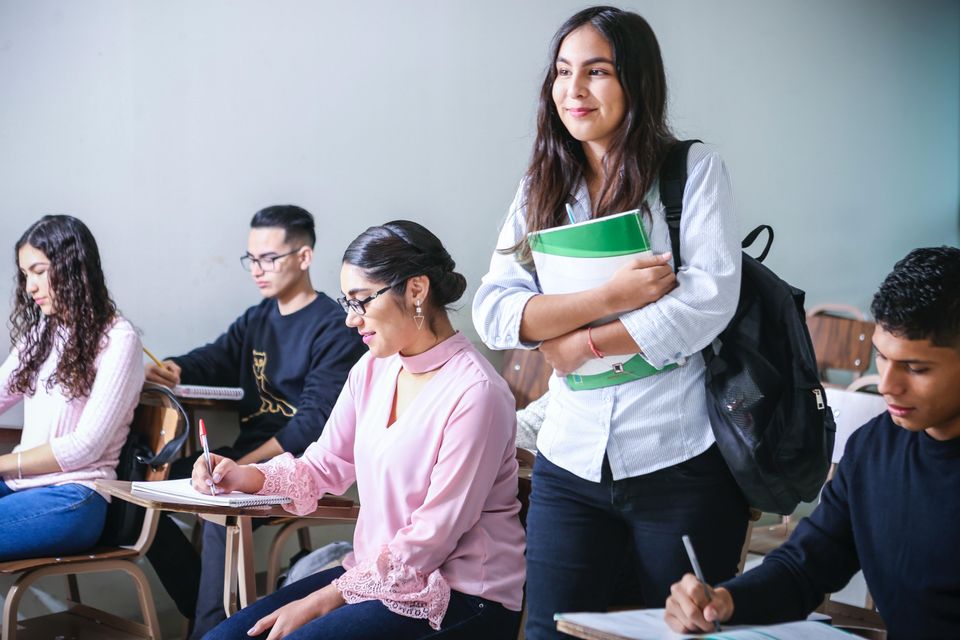
Many students and families are surprised to learn that accommodations work very differently after high school.
Support may include:
- Understanding disability services in higher education
- Documentation requirements
- Accommodation planning
- Housing and residential considerations
- Self-advocacy expectations in college settings
- Transitioning from an IEP to college accommodations
Career Exploration & Employment Planning
Support with:
★ Career exploration
★ Identifying strengths and interests
★ Employment readiness
★ Workplace expectations
★ Career pathway planning
★ Vocational and technical training options
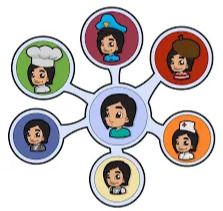
The goal is to help students connect their interests and abilities to meaningful future opportunities.
Transition Planning & Goal Development
Support related to:
★ Transition-focused IEP planning
★ Postsecondary goals
★ Employment goals
★ Independent living goals
★ Self-advocacy development
★ Community participation
Strong transition planning helps ensure that school programming supports a student’s long-term vision for adulthood
Readiness & Future Planning
For families seeking a deeper understanding of a student’s readiness for life after high school, consultation may include discussion of:
★ Executive functioning
★ Self-advocacy
★ Independent living skills
★ Transportation skills
★ Workplace readiness
★ Postsecondary readiness
These factors often play a significant role in determining which pathways are likely to be successful.
Postsecondary Planning
Guidance related to:
- Four-year colleges and universities
Community colleges
Trade and technical schools
Certificate and training programs
Gap-year opportunities
Continuing education options
Support may include exploring programs, evaluating readiness, understanding support needs, and creating timelines for future planning.
Looking for a More Comprehensive Evaluation?
Families seeking a deeper understanding of their student’s readiness for adulthood may wish to begin with a
Transition Readiness Assessment.
Through a comprehensive review of six key areas
Education & Training,
Employment,
Independent Living,
Self-Advocacy,
Transportation & Community Access,
Adult Services Readiness
I help families identify strengths, uncover gaps, and create a personalized Future Planning Roadmap.